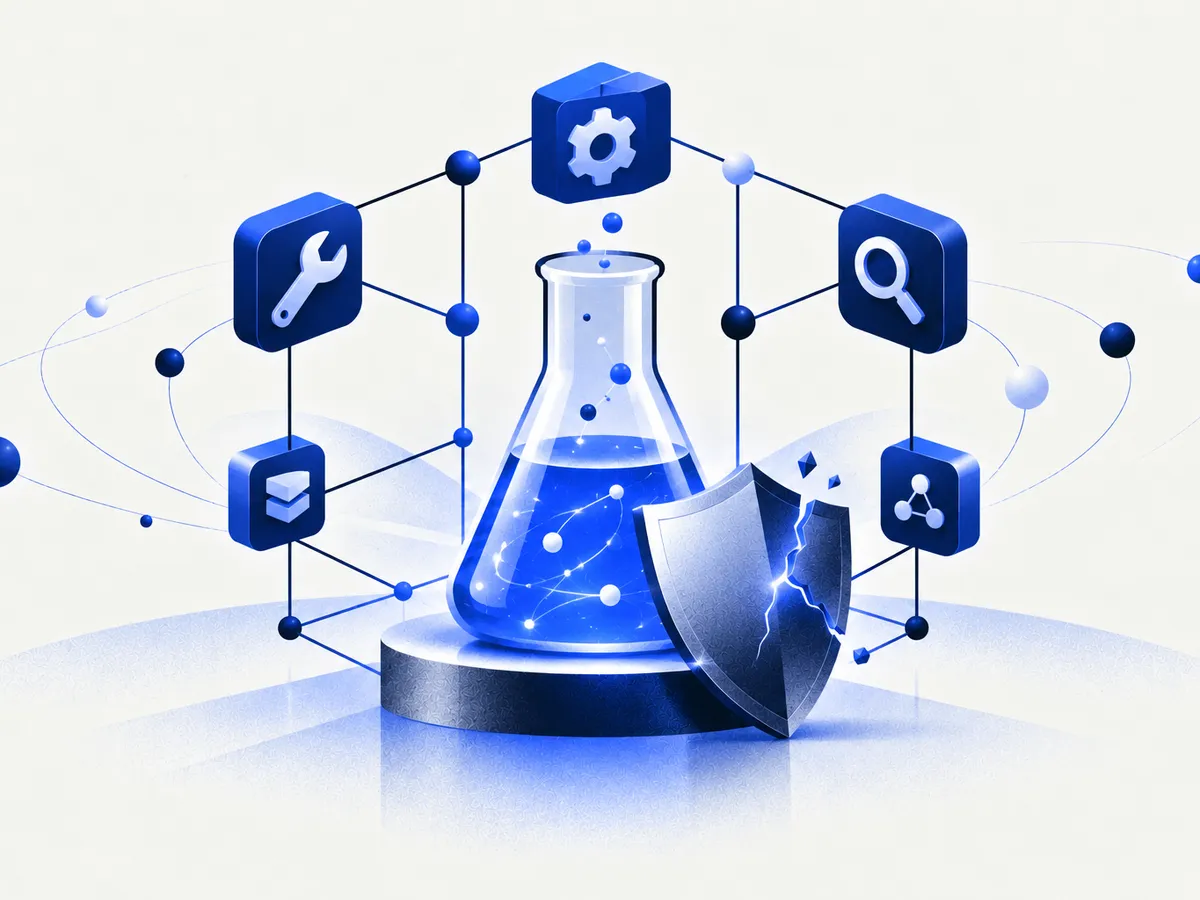
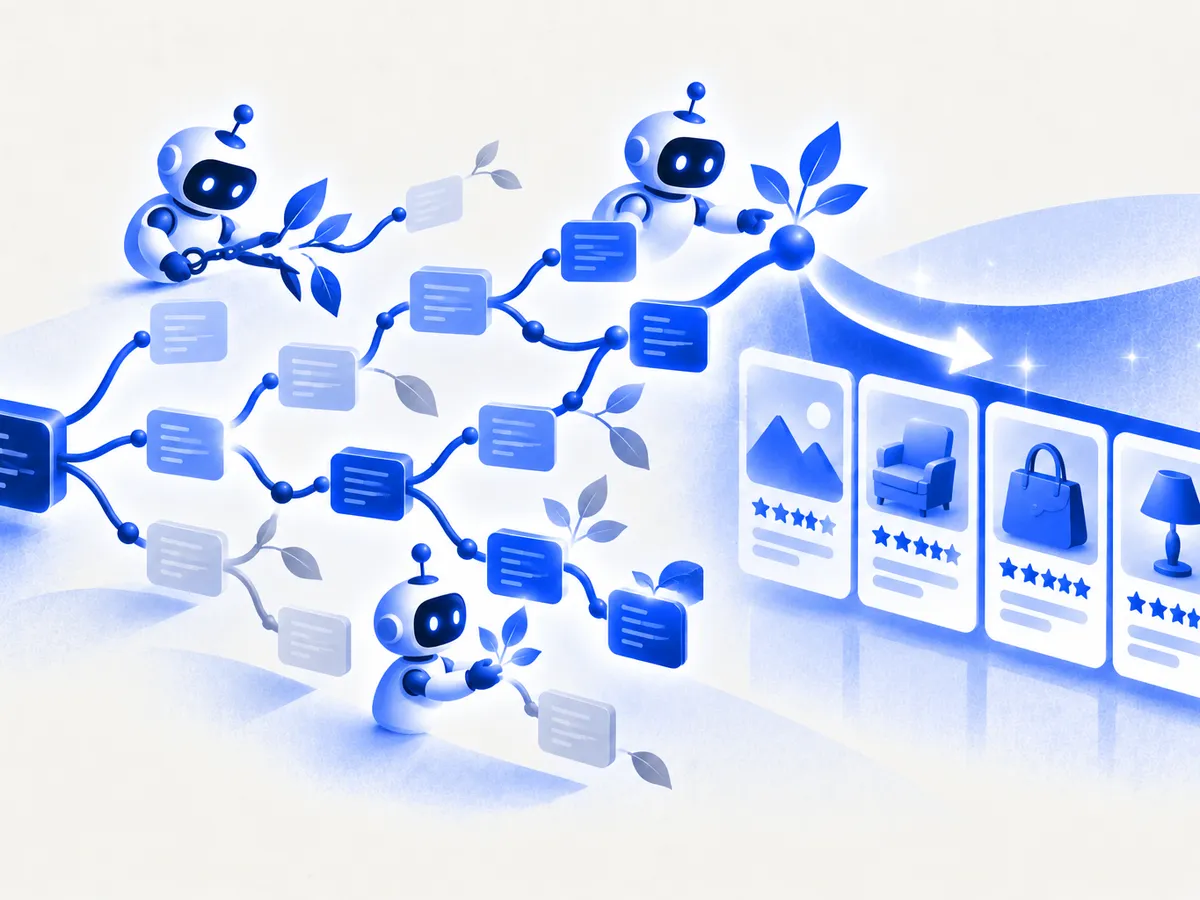
According to t3n, the research center Cern wants to develop an AI model for particle physics together with Mistral. The teaser provocatively asks whether this will also make nuclear physicists redundant. However, the short teaser gives no reliable details about the project.
What is a KI-Modell – and what would be special here?
An AI model (KI-Modell) is a program that has learned patterns from large amounts of data and uses them to generate texts, connections or predictions. Well-known chatbots are based on general models that cover many topics. The title of the t3n article alludes to this: a "ChatGPT for particle physicists" would, by contrast, be tailored to a single field.
Such a specialized model could reflect the technical language and the typical questions of the field better than a general-purpose tool. Whether and how this will be implemented in the Cern project is not clear from the teaser.
What does this mean for researchers and readers?
The worry that experts could be replaced is understandable, but it is not supported by the source. In science, tools like these are generally discussed as aids, for example for reviewing literature, structuring data or answering follow-up questions. The interpretation of results and the responsibility for the research usually remain with people. This is a general assessment, not a statement about the specific project.
For readers, it is worth keeping a few open points in mind:
- What exactly the model is intended for is not explained in the teaser.
- Who can use it and whether it is meant to be publicly accessible is unclear.
- What the cooperation between Cern and Mistral looks like in detail would have to be clarified by the full article or an official announcement.
Why the news is interesting anyway
The fact that a major research institution is working with Mistral on its own model points to a trend: specialist fields want tools that know their data and terminology. Anyone interested in AI in science should follow further coverage and look for concrete information on goals, use and quality control.