Anthropic advises companies to avoid complex multi-agent architectures and to use a single main agent instead. According to The Decoder, this agent should load its context only when it really needs it. In one customer case, this reportedly doubled the speed.
What lies behind the recommendation
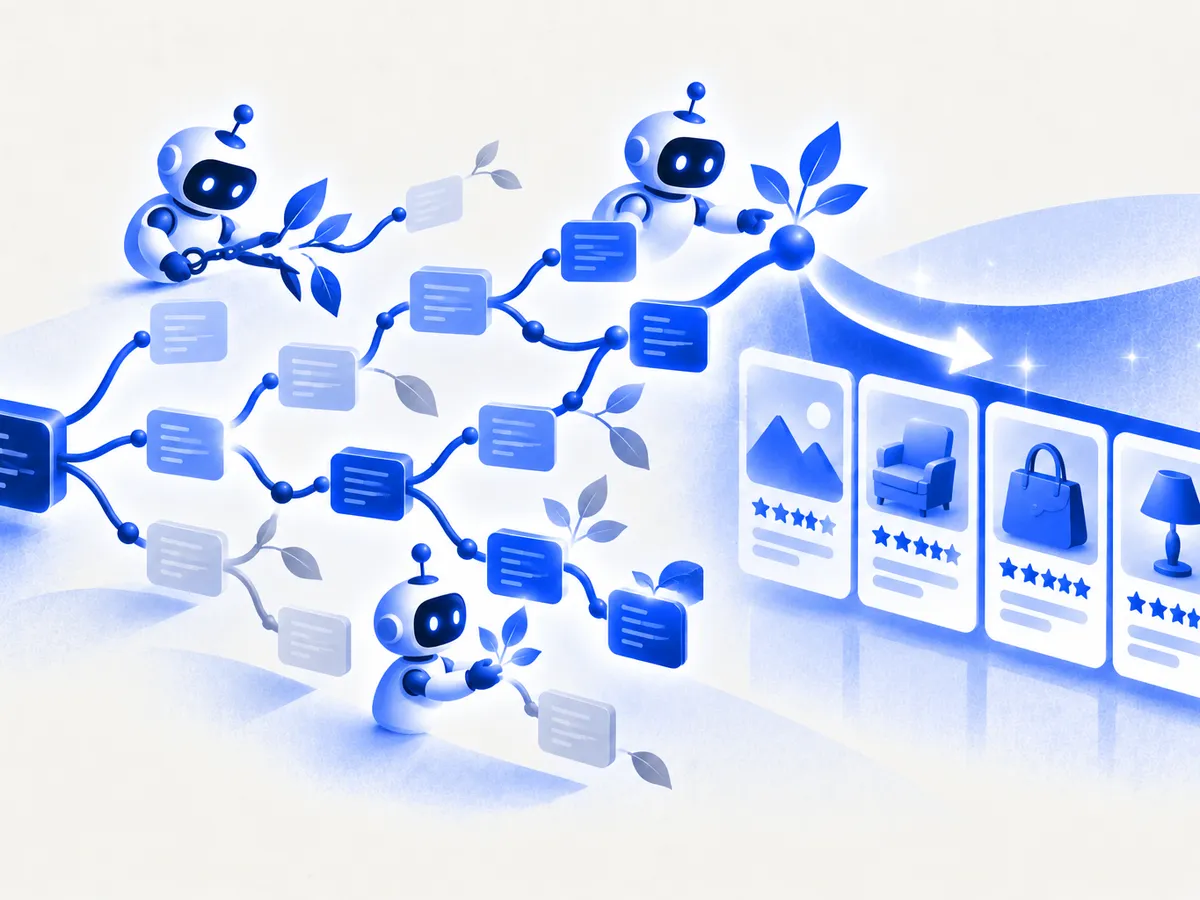
In a multi-agent architecture, a main agent splits tasks among several subagents. Each subagent takes on a sub-area, such as research, programming or review. That sounds like a clean division of labor, but it adds overhead: the agents have to coordinate, pass information along and merge intermediate results.
The alternative is a single agent that loads information as needed. It does not carry everything with it from the start. Instead, it fetches knowledge, instructions or data only at the right moment. This can make the process simpler and faster, because fewer handovers between individual agents are needed.
Migration kit on GitHub
To help rebuild existing systems, Anthropic provides a migration kit on GitHub. It is meant to help teams switch their agent setups to the simpler model. The short report does not say how the kit is structured in detail.
What readers can take away
Anyone who works with AI agents can use the recommendation as a reason to review their own architecture. Useful questions are:
- Does every subagent really need its own role?
- Does coordination between the agents create a lot of overhead?
- Can context be loaded selectively, instead of being carried along permanently?
The doubling of speed comes from a single customer case. Whether a similar effect shows up in your own project should therefore be checked with a small test before you rebuild an existing system.