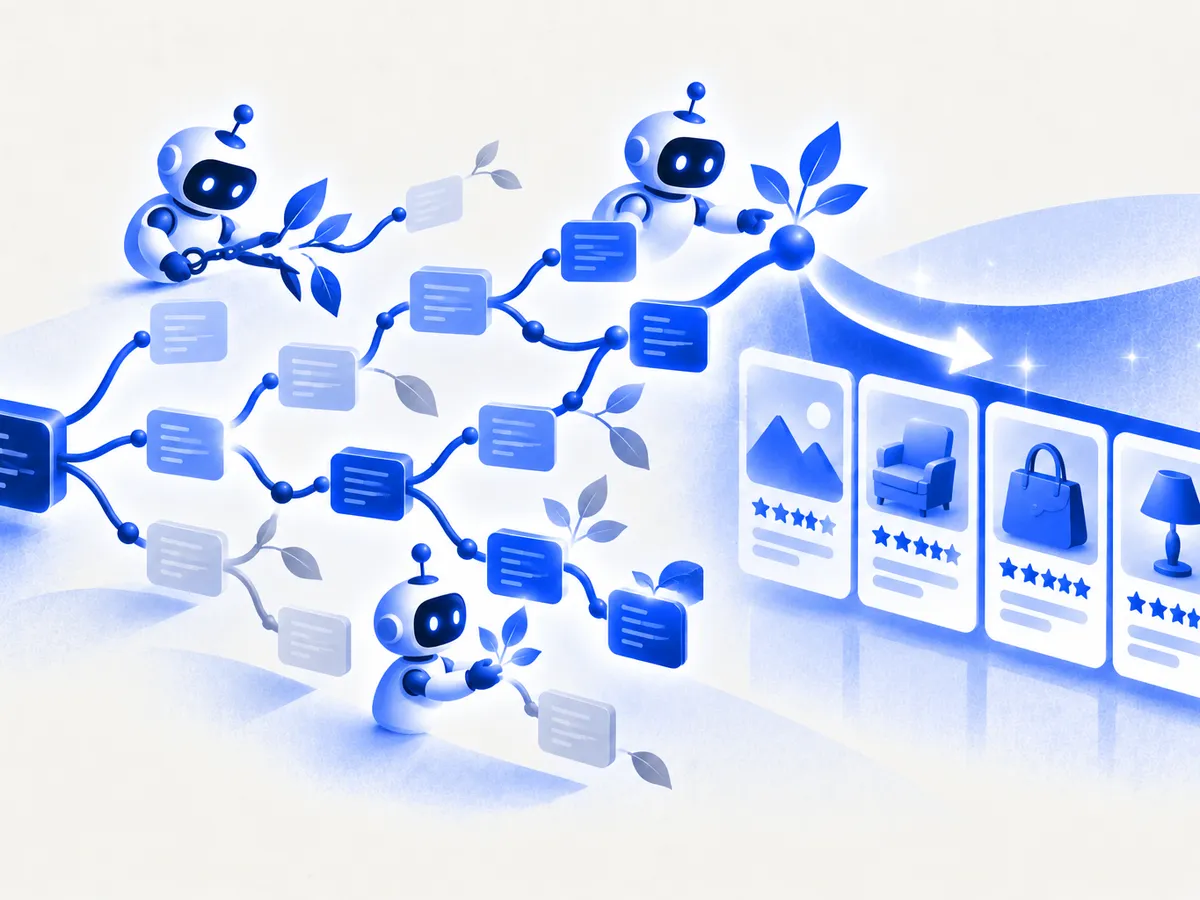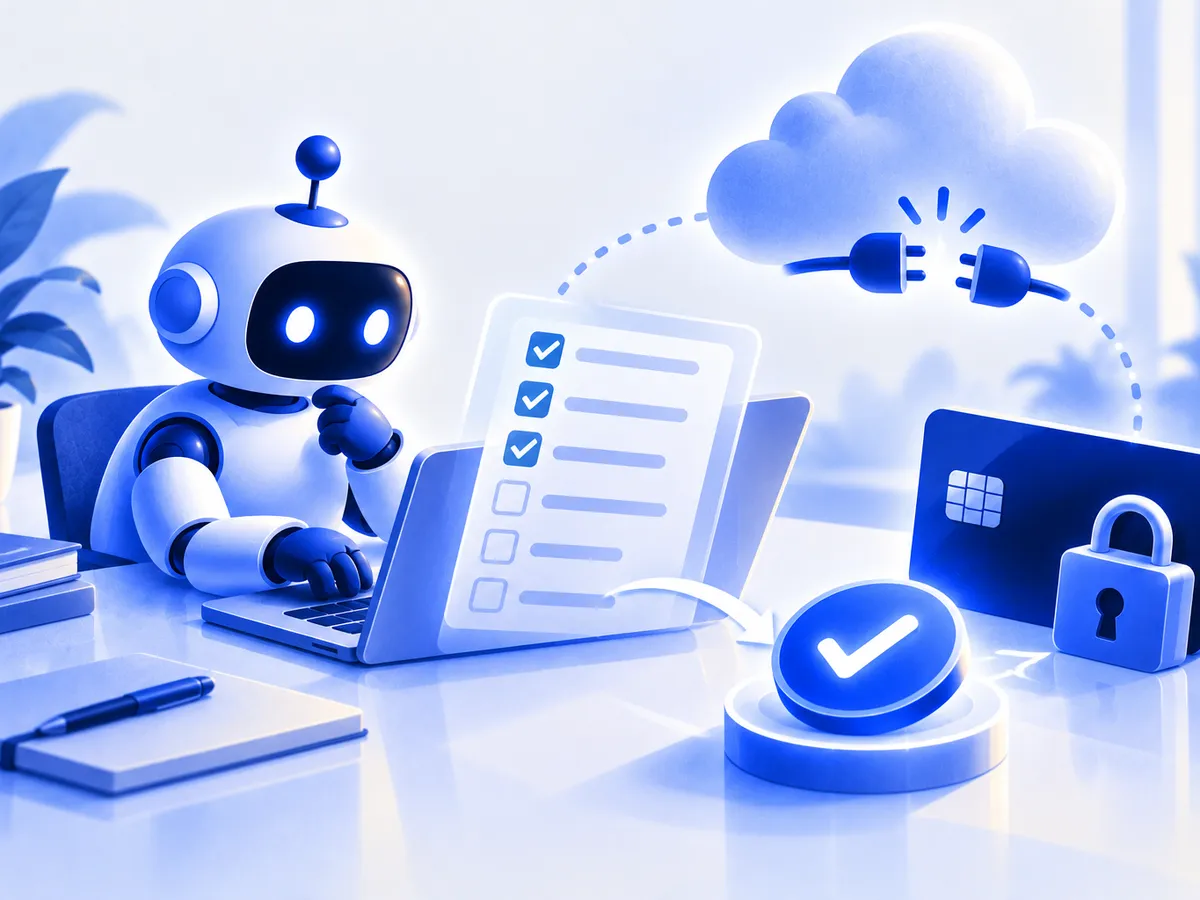
Until now, internet users could roughly be divided into two groups: humans and bots. Personal AI agents that book flights or hotel rooms, for example, upset this order. According to MIT Technology Review, Meta's app Muse was downloaded 5 million times in its first month. Agentic web traffic tripled between August and September.
Agents don't fit any category
Agents are not humans, because they work at machine speed. But they are not classic bots either, because they act on behalf of individual people and carry out tasks that are often useful. Because the common systems for telling humans and bots apart cannot classify them, some platforms block them entirely.
TechCrunch reported problems on sites ranging from Pizza Hut to Yelp. Yelp does not allow table reservations made by AI. Amazon blocks Muse's agents and is fighting Perplexity in court. A judge initially ruled in favor of Perplexity, but Amazon appealed. The company argues that agents endanger its advertising business, because ads aimed at humans and ads aimed at bots are harder to tell apart.
- Websites Block AI Agents: Yelp and Delta Push Back
- Anthropic and AI agents: negotiating with legal advice
- Microsoft: AI Agents as an Insider Risk in Companies
Opening up, with side effects
Wharton professor Ethan Mollick expects the blocks to soon affect the entire web. Once it becomes known that agents can demand refunds or negotiate terms, they could overload customer support so heavily that real people can hardly use it anymore. At the same time, users are likely to be annoyed if their agents are not allowed to act for them.
Since most agentic traffic goes to online shops, platforms have a financial incentive to let agents in. Shopify already offers them dedicated checkout areas that bypass the pages built for humans.
The concern: the web could become more oriented toward agents and get worse for humans. Conceivable outcomes include weaker interfaces, constant authenticity checks and different amounts charged depending on the agent. Recommendations could also be influenced by advertising or commissions.
But agents can also help, for example against erroneous medical bills or when looking for cheaper car insurance. What matters are the rules that are still to be written. Security requirements, such as protecting credit card data, benefit everyone. It is disputed whether companies may lock out agents or prevent their negotiations.